
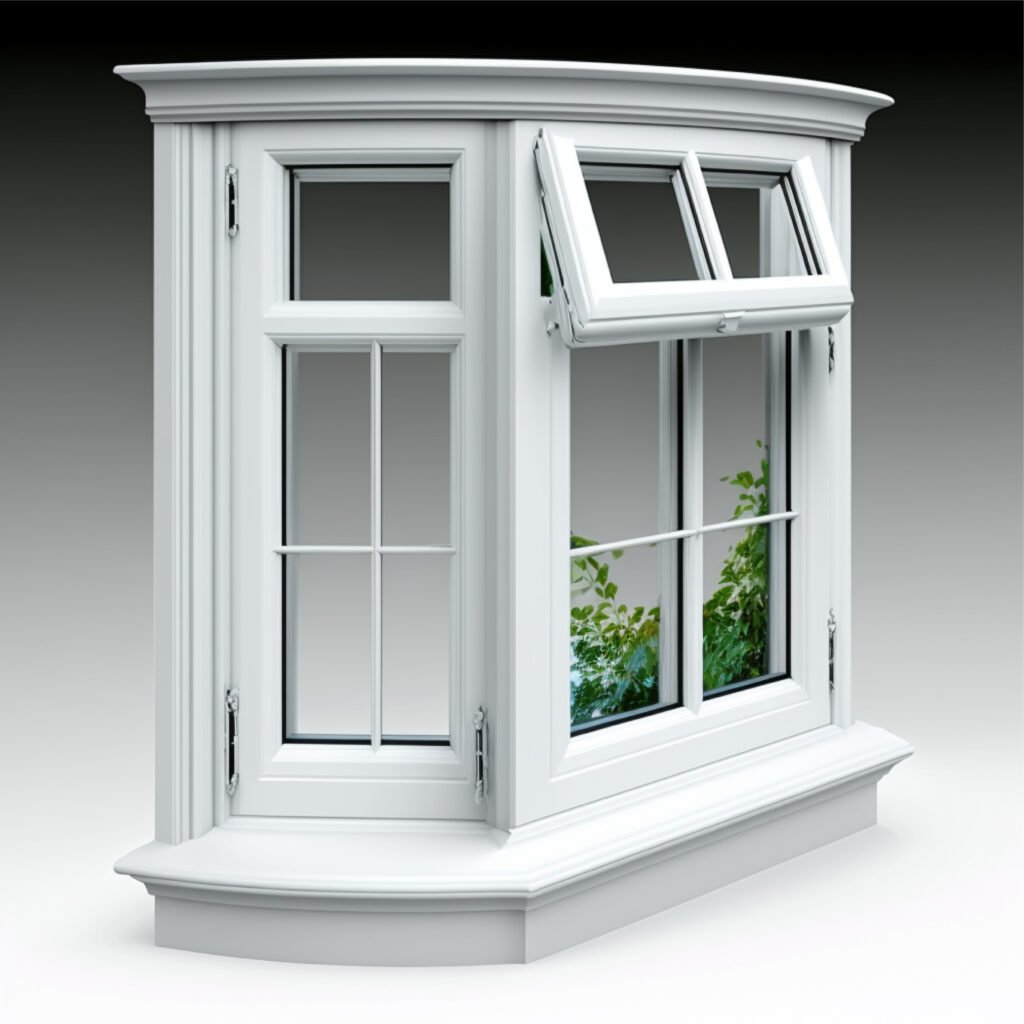
uPVC Systems
Windows & Doors Engineered for Comfort
Multi-chambered uPVC profiles that insulate against heat and noise while resisting warping, rust and corrosion — available across the configurations below.
About uPVC Windows & Doors
uPVC (unplasticized polyvinyl chloride) is an engineered polymer that takes the best of what wood and aluminum offer — a clean finish and structural rigidity — without their upkeep problems. It doesn't rot, rust, warp or need repainting, which makes it a practical substitute for traditional wooden frames in a humid, high-UV climate like Bengaluru's.
We fabricate uPVC windows and doors in a range of profile widths, glass combinations and hardware finishes, so the system can be matched to the acoustic, thermal and security needs of the specific opening.
Why uPVC
Water Tightness
Sealed sash and multi-point weatherstripping keep wind-driven rain out.
Sound Insulation
Multi-chambered profiles and thicker glass options cut down street noise.
Termite Proof
A synthetic profile that pests simply cannot feed on or burrow into.
Fire Resistance
Self-extinguishing material that adds a margin of safety over timber frames.
Maintenance Free
No sanding, painting or repainting — a wipe-down is all it needs.
Save Tree
A durable substitute for timber framing that reduces wood consumption.
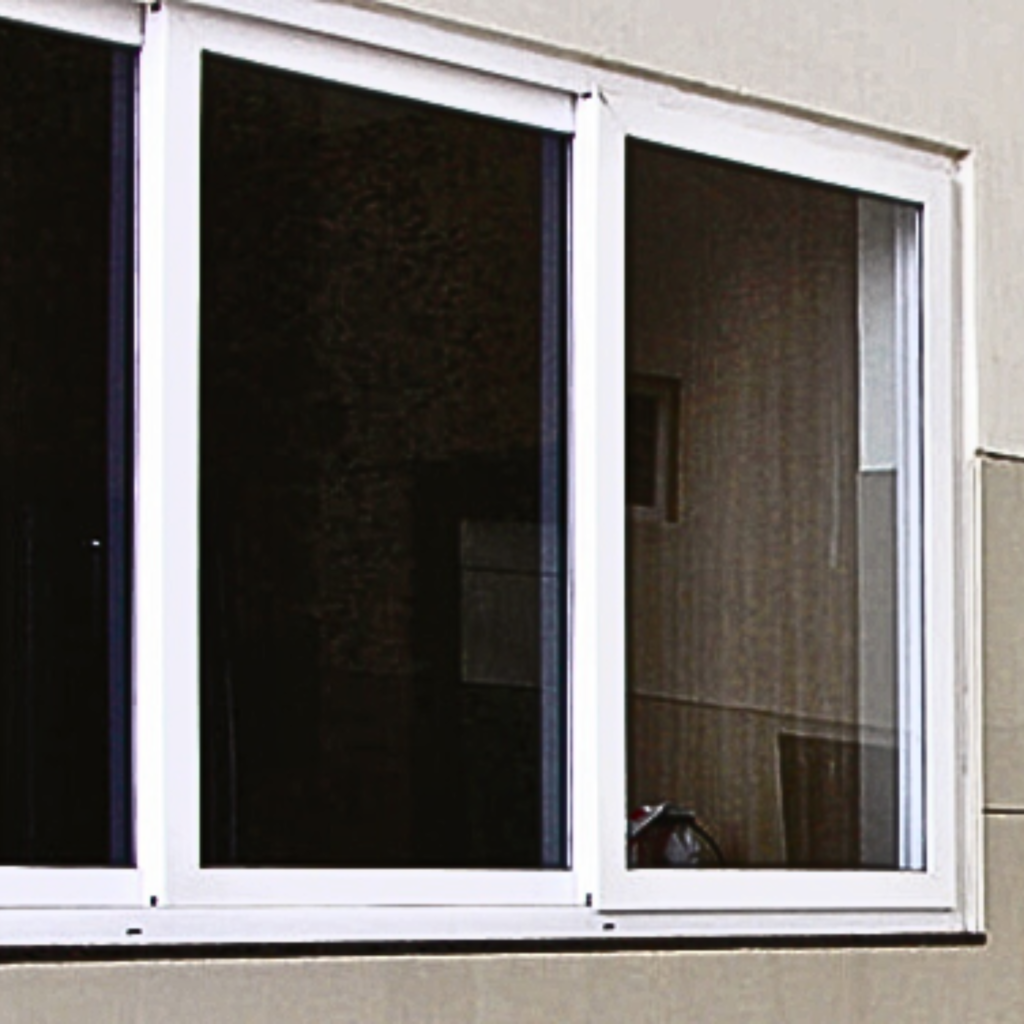
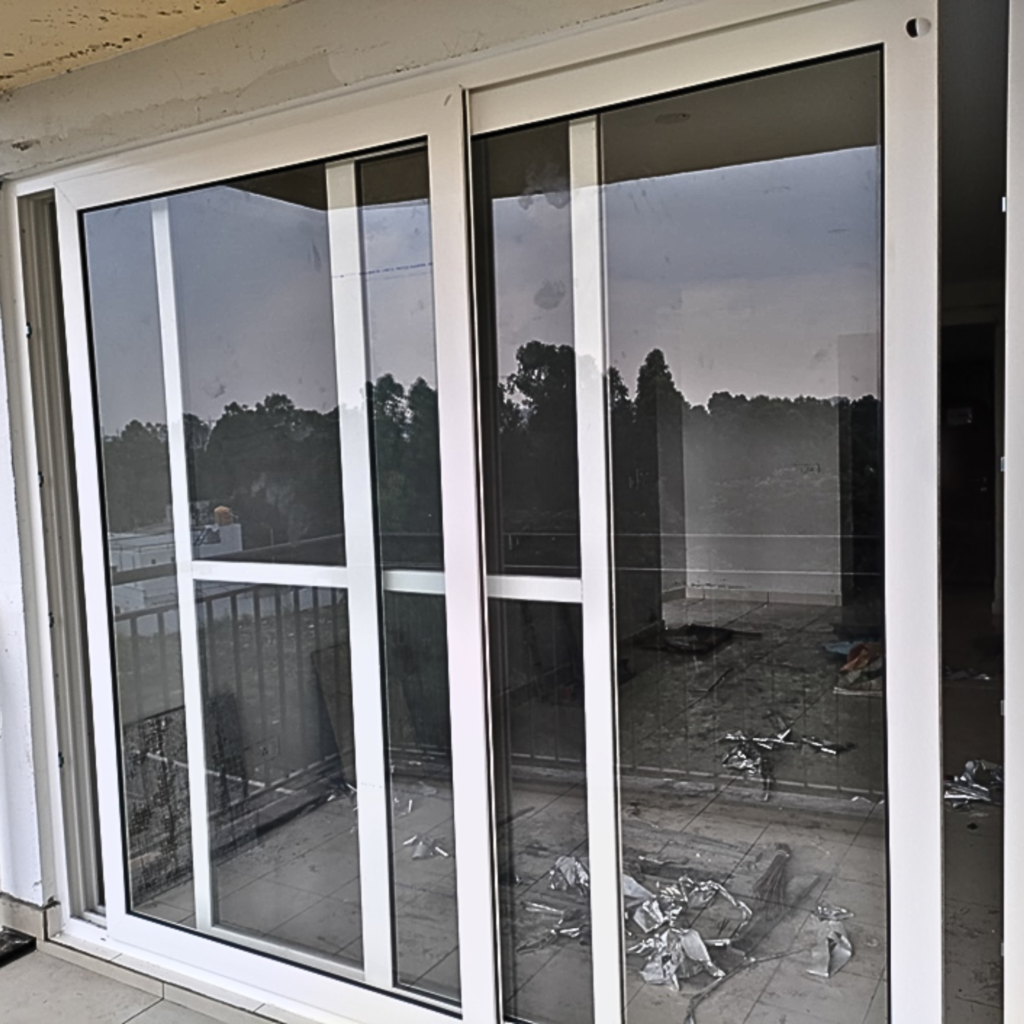
1. Sliding Windows
Application
- Well suited to hallways and bedrooms, opening 50–66% of the frame width without swinging into the room
- A space-saving choice where furniture or curtains would clash with an outward-opening sash
Advantages
- Interlocking sashes cut air leakage at the meeting rail
- Sealed tracks keep dust and outside noise down
- Larger glass area improves natural light
- Reinforced tracks hold up under wind load, even at bigger sizes





2. Casement (Openable)
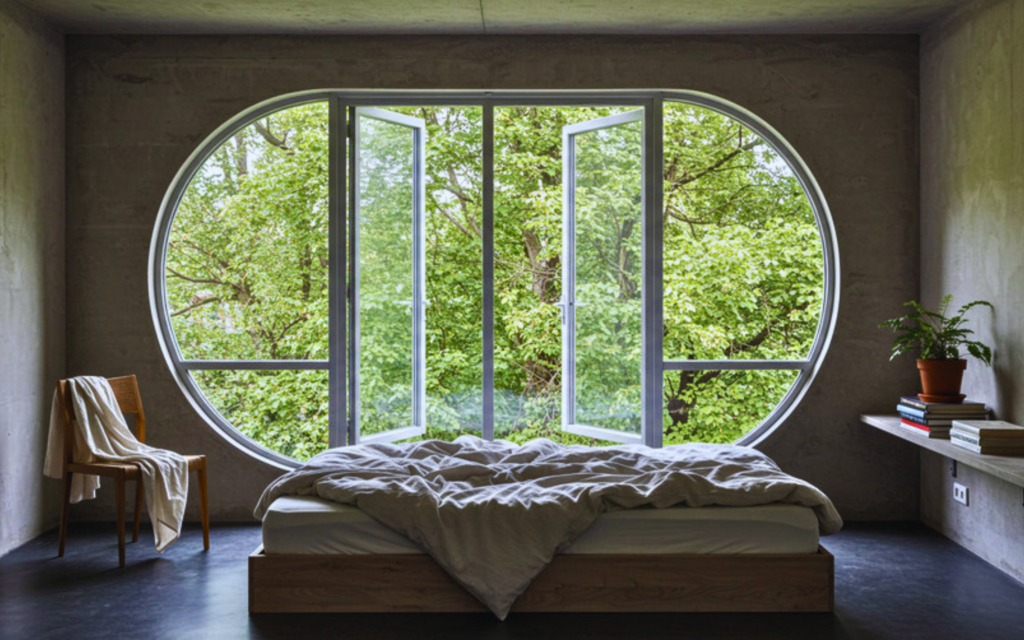
Advantages
- A tighter seal than sliding sashes, useful for rooms facing a noisy street
- Strong thermal and acoustic performance from full-perimeter compression seals
- Can be paired with a large fixed pane alongside for an unbroken view
- Hardware and frame are engineered to hold up under wind load
3. Fixed & Combination
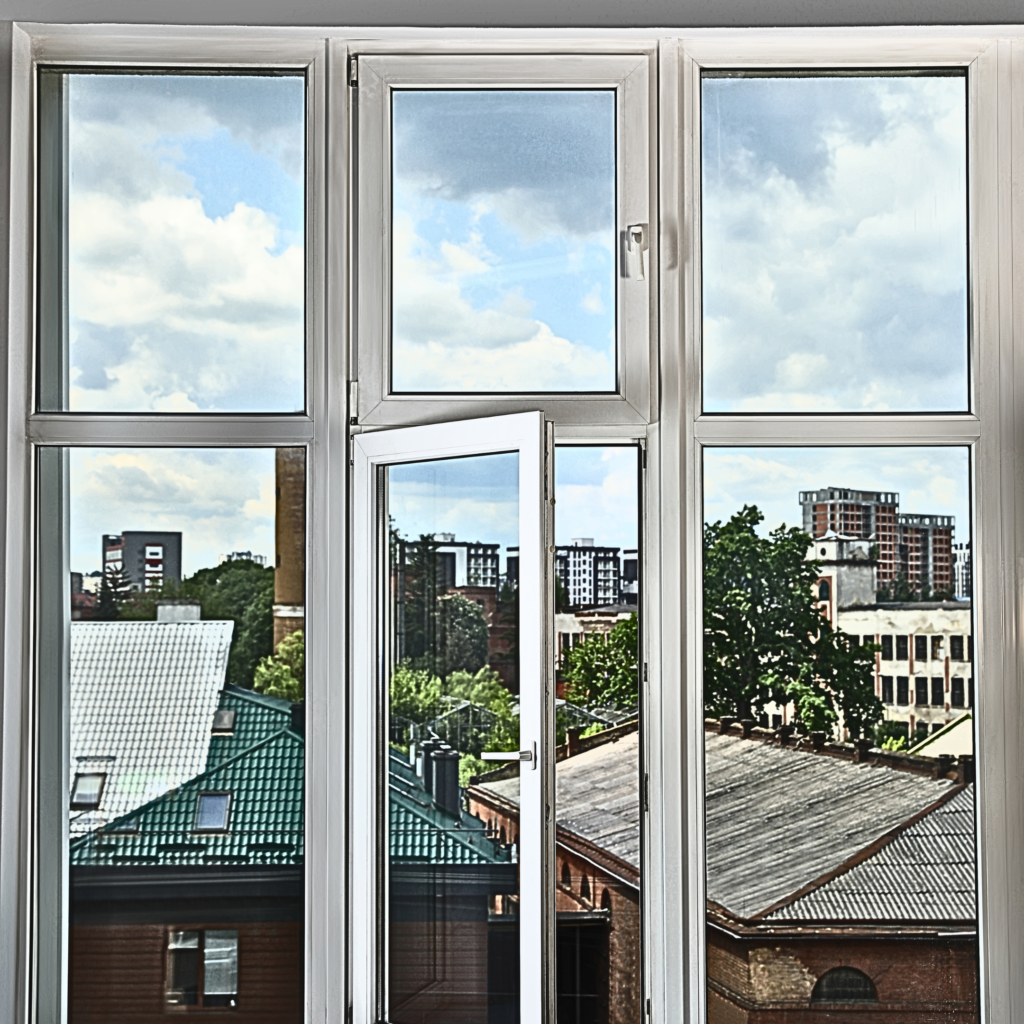
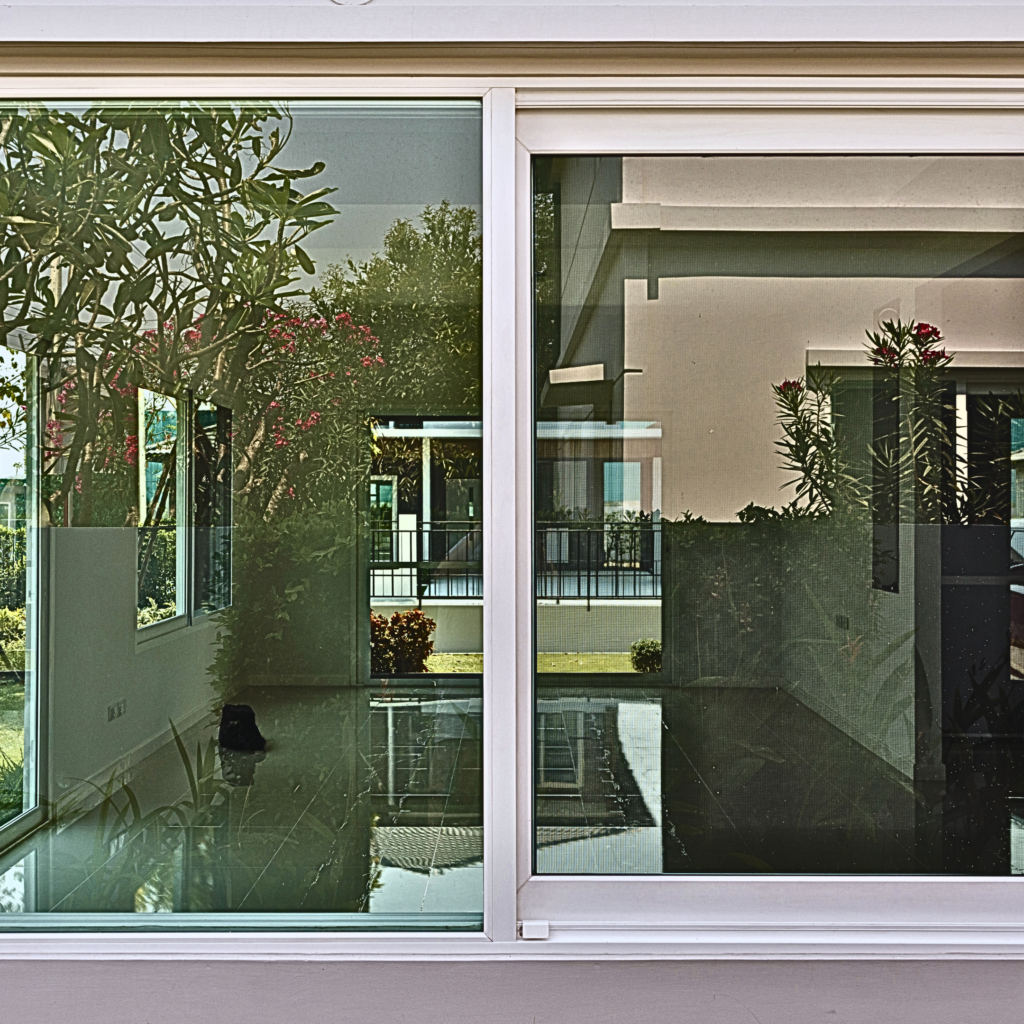
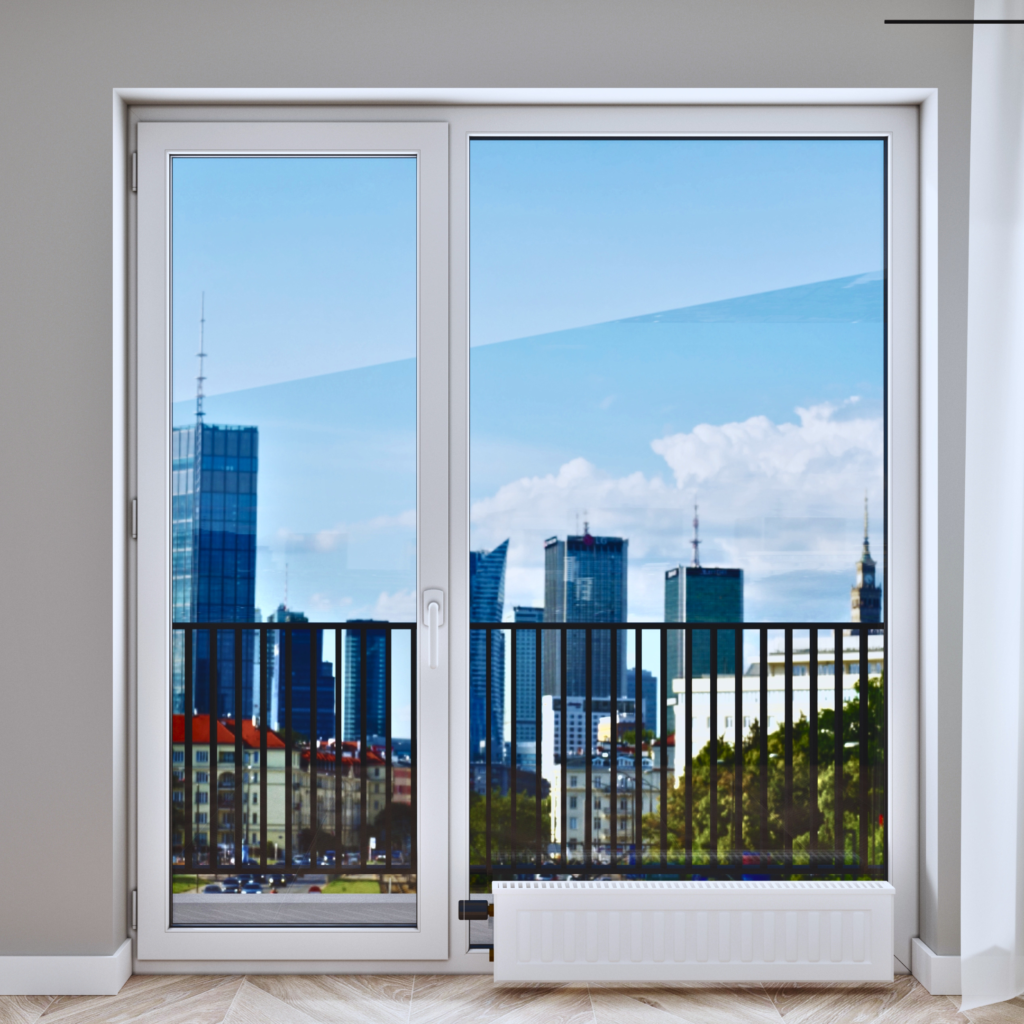
Combination windows mix fixed, casement and sliding sashes within a single frame, so one opening can carry a large fixed view panel alongside a smaller operable vent — useful where you want light and a view without giving up ventilation control.

4. Ventilators & Louvers
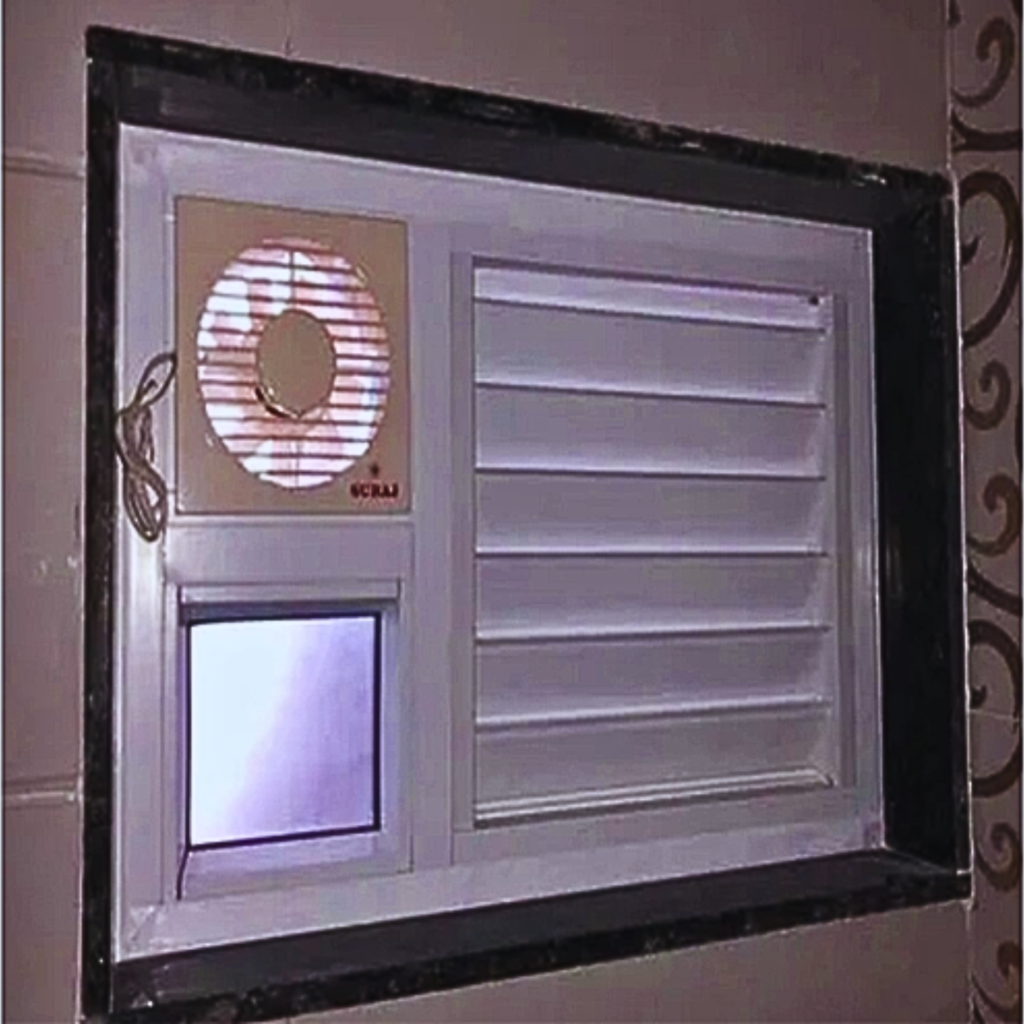
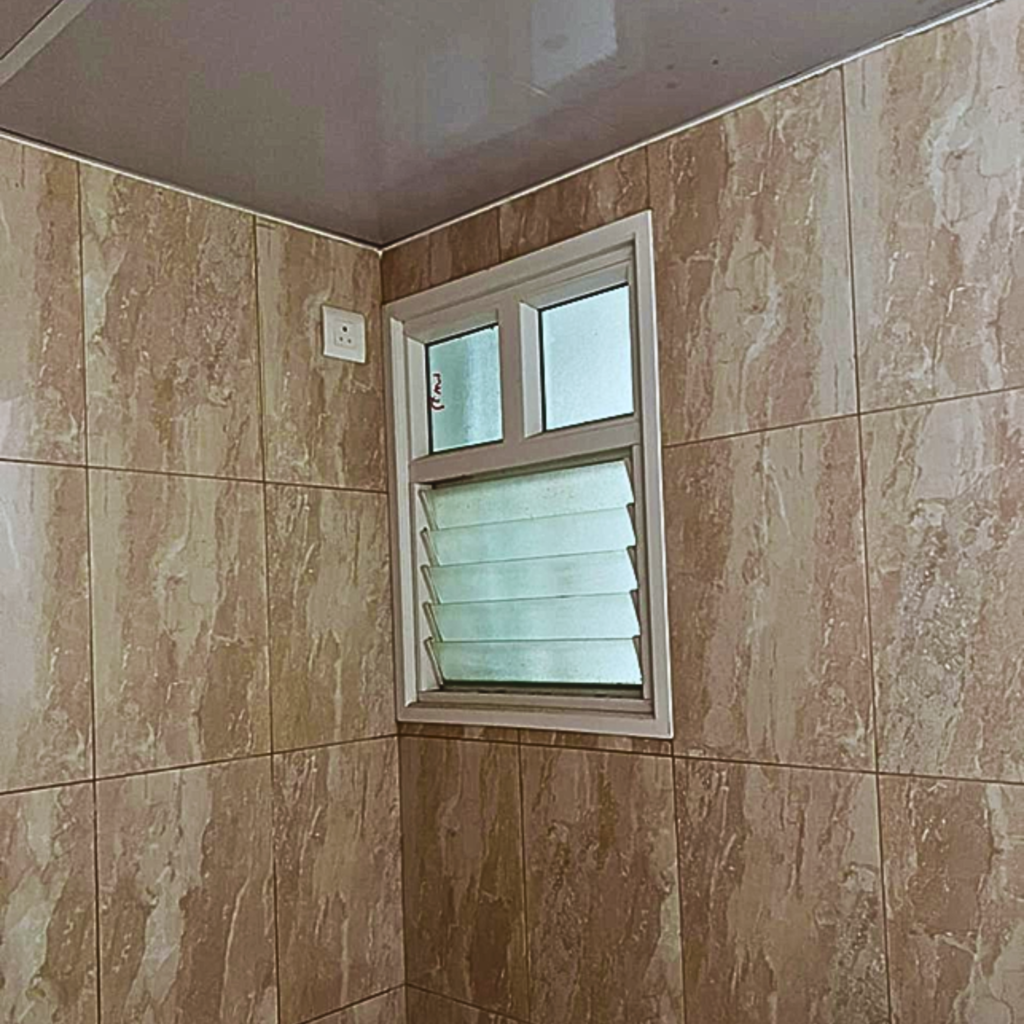
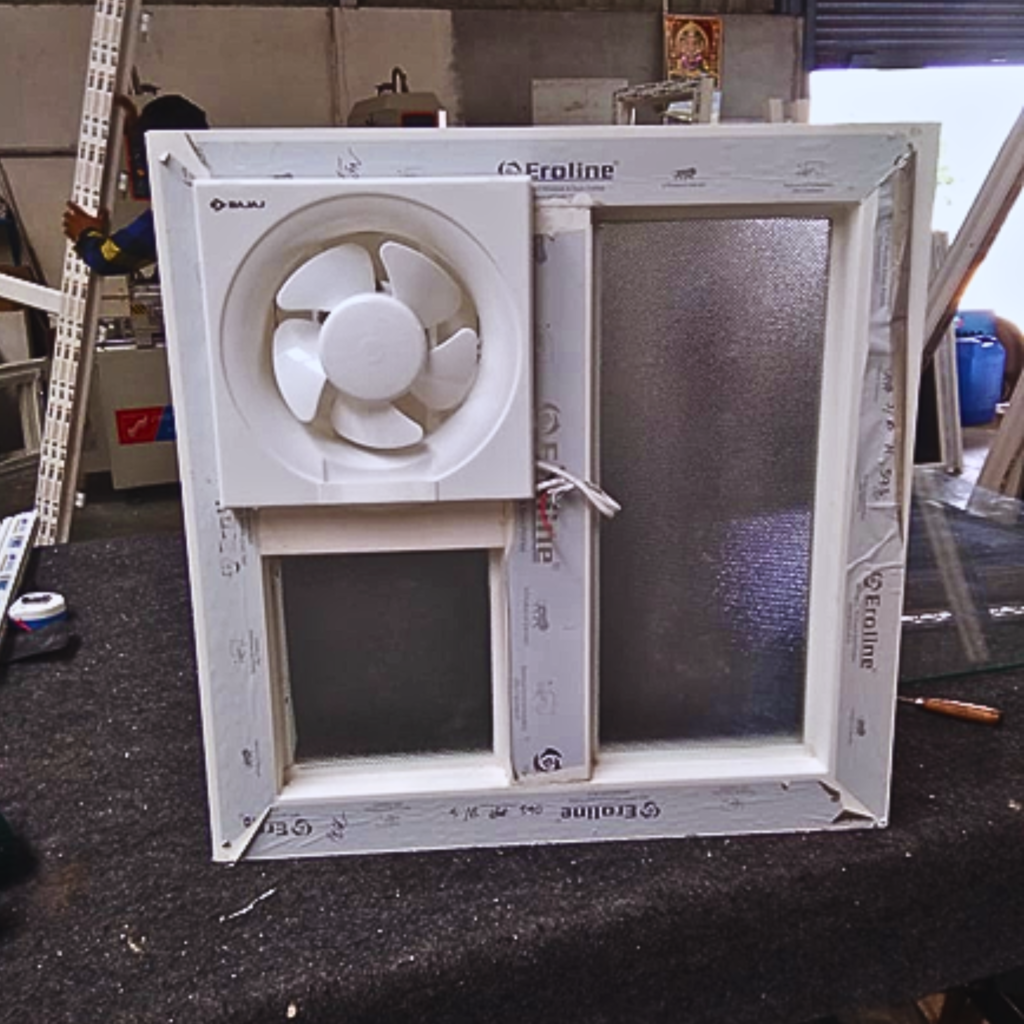
Louvered ventilators use angled slats to move air through kitchens and bathrooms while limiting the sightline in.
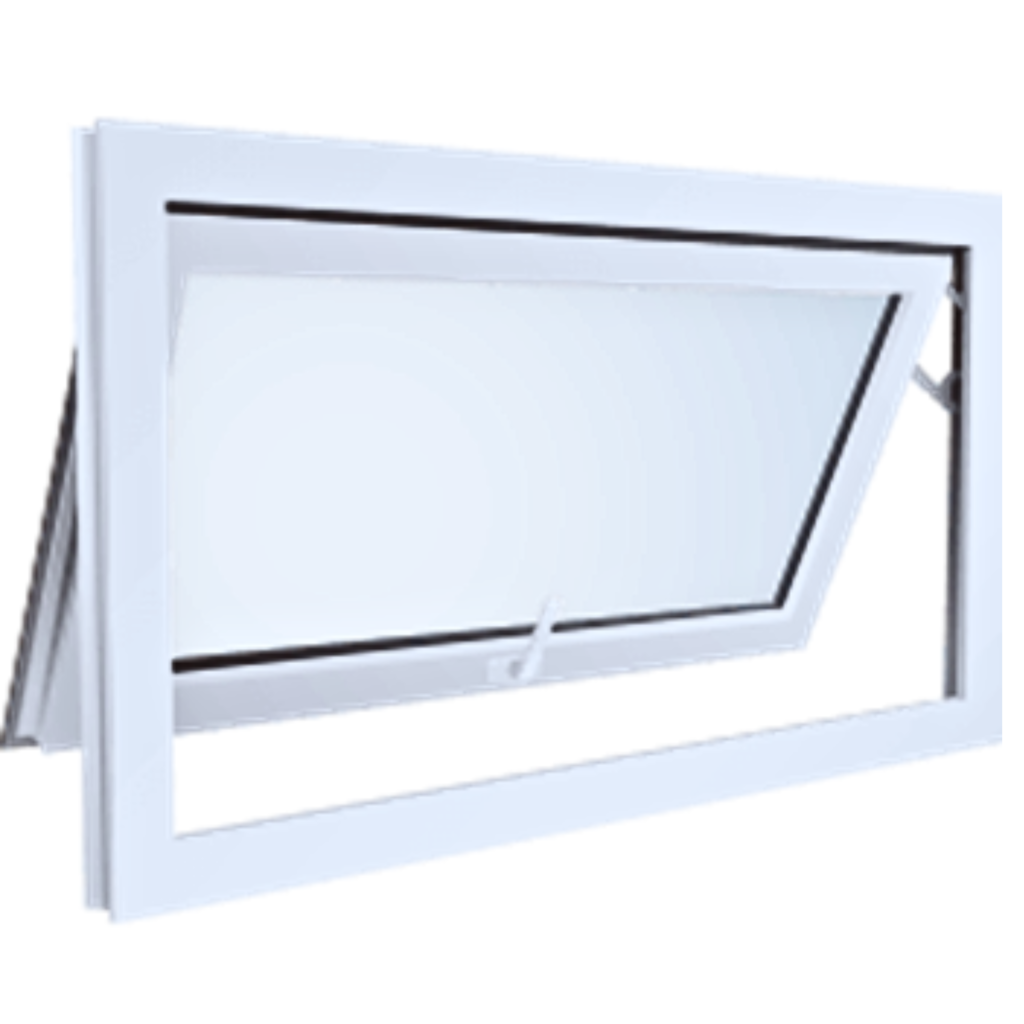
Top-hung ventilators open outward from the top edge, so they can be left ajar during rain without letting water in.
5. Special Architectural Design Windows
Slide & Fold Doors
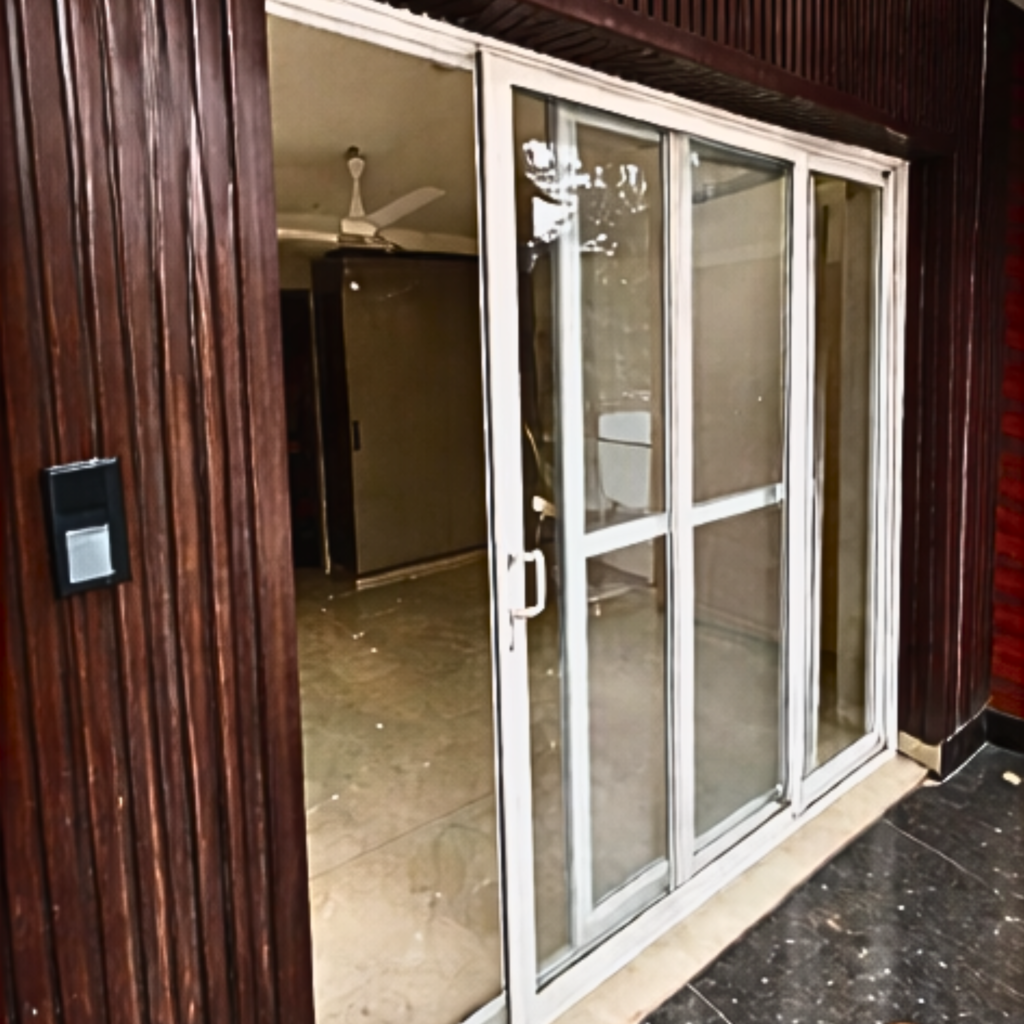
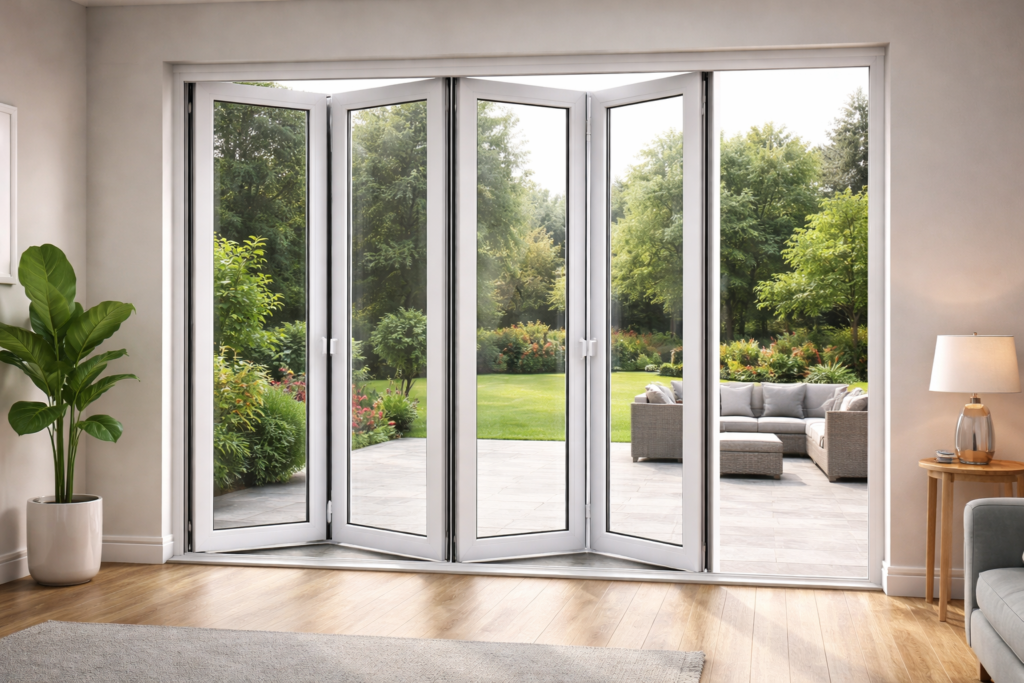
Multiple panels slide along a single track and stack to one side, opening an entire wall to the outdoors — a common choice for balconies and terraces that back onto a garden or view.
Arch / Circular Windows
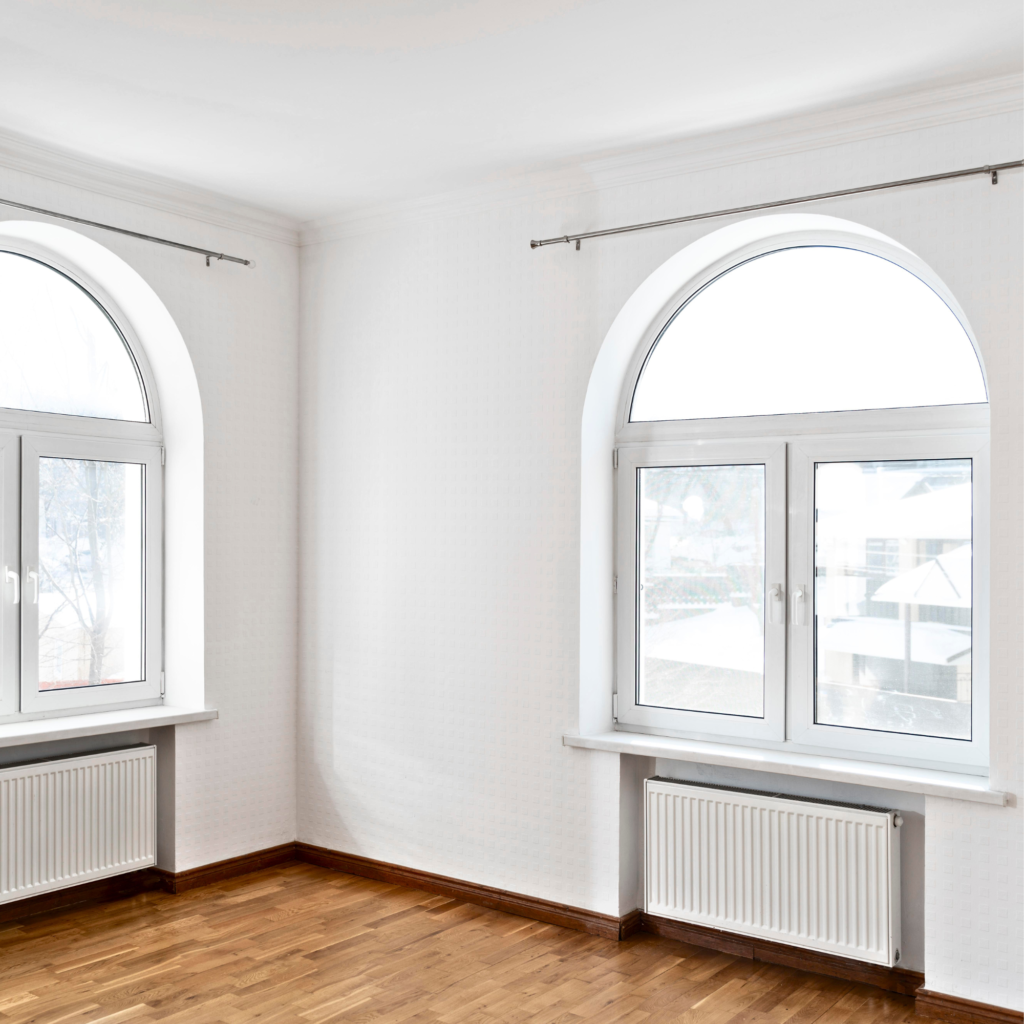
Curved and circular frames are fabricated to order for facades that call for a softer, non-rectilinear opening — often used as an accent alongside standard casement or sliding windows.
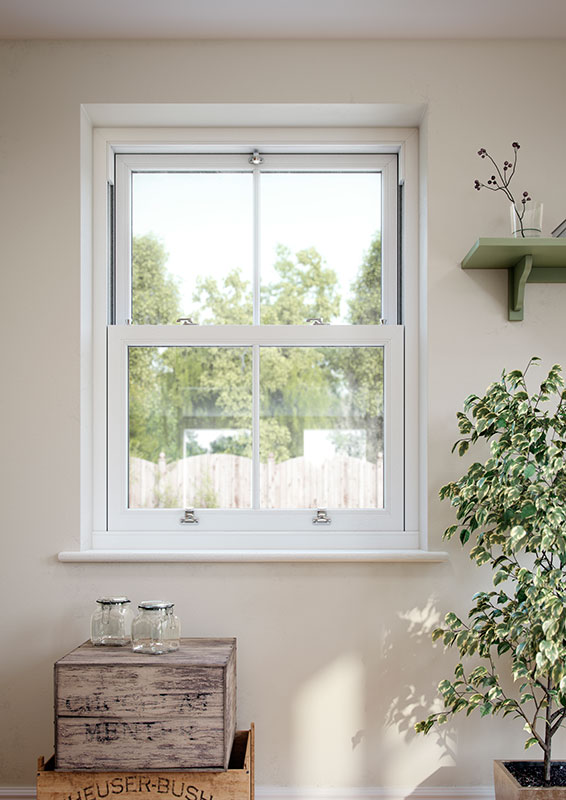
Vertical Sliding
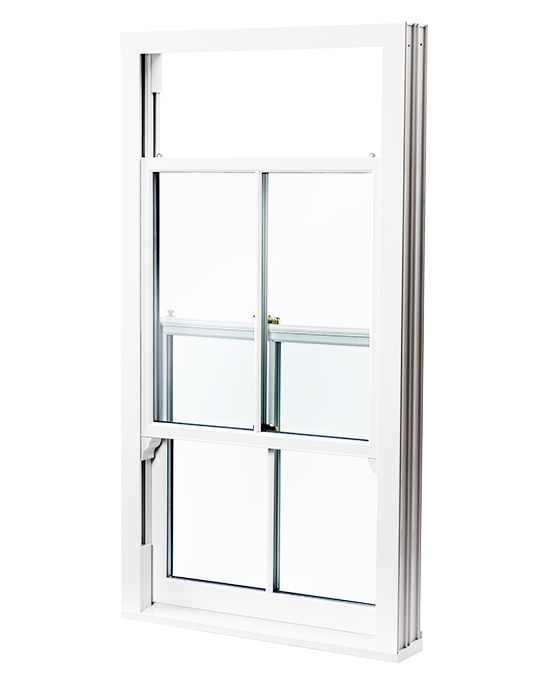
Sashes travel up and down within the frame rather than side to side — a profile associated with heritage-style facades, built here on modern weatherproofed hardware.
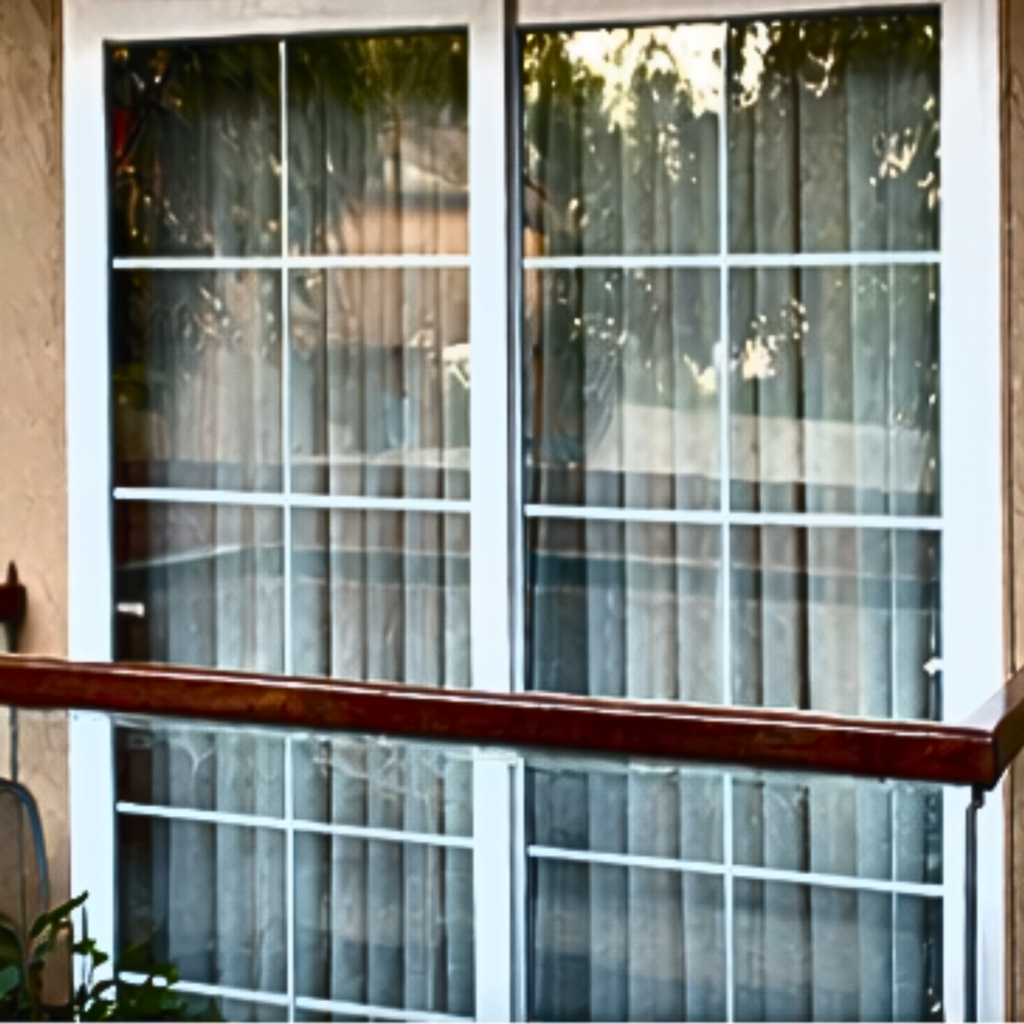
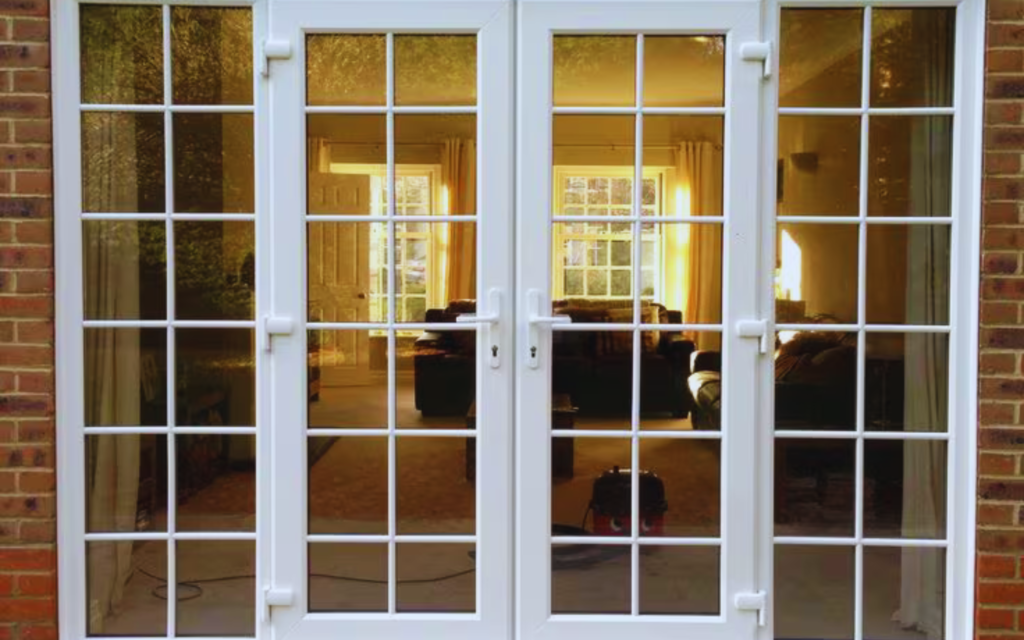
Georgian Bars
Grille bars laid over the glass in a grid pattern reproduce the look of traditional multi-pane windows. They can be fitted internally, externally, or between the glass panes, in a choice of patterns.
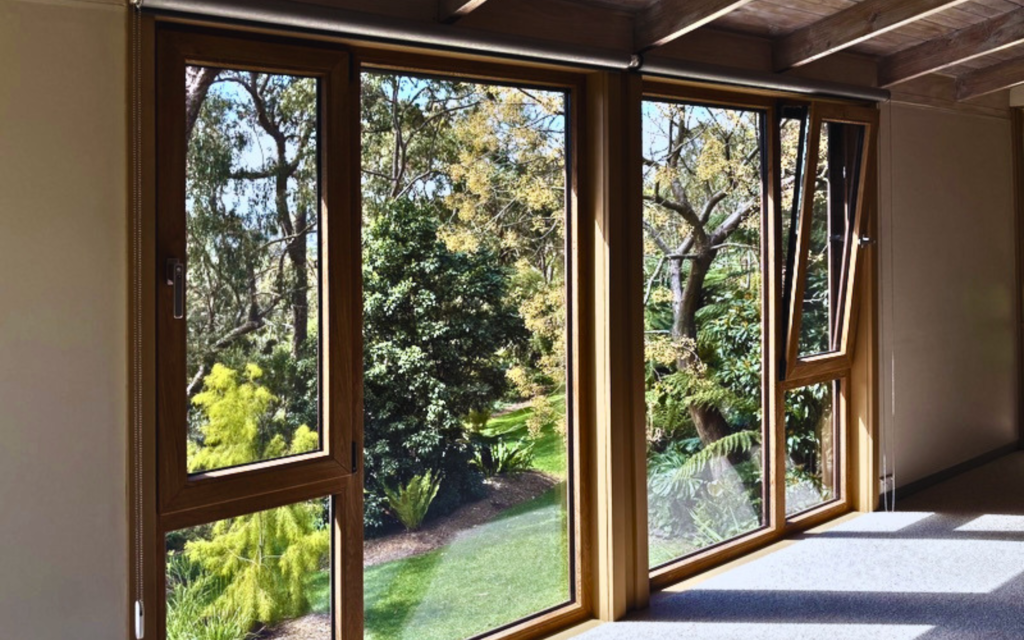
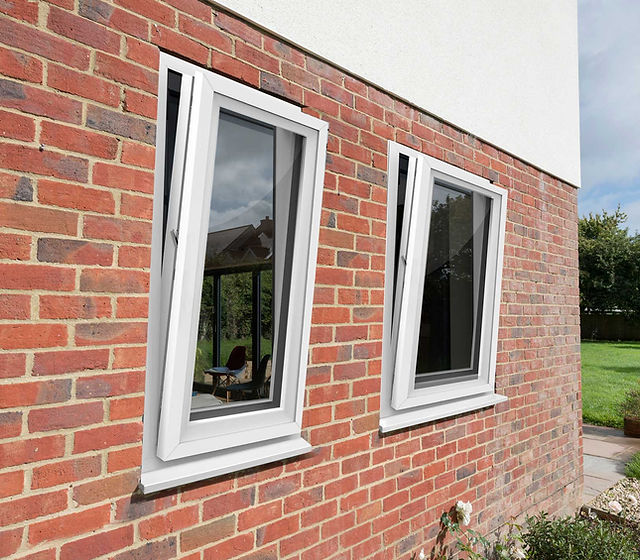
Tilt & Turn Windows
A dual-action sash that tilts inward from the top for secure background ventilation, or swings fully open on side hinges for cleaning and unrestricted airflow.
Special Glass Options
DGU & Laminated Glass
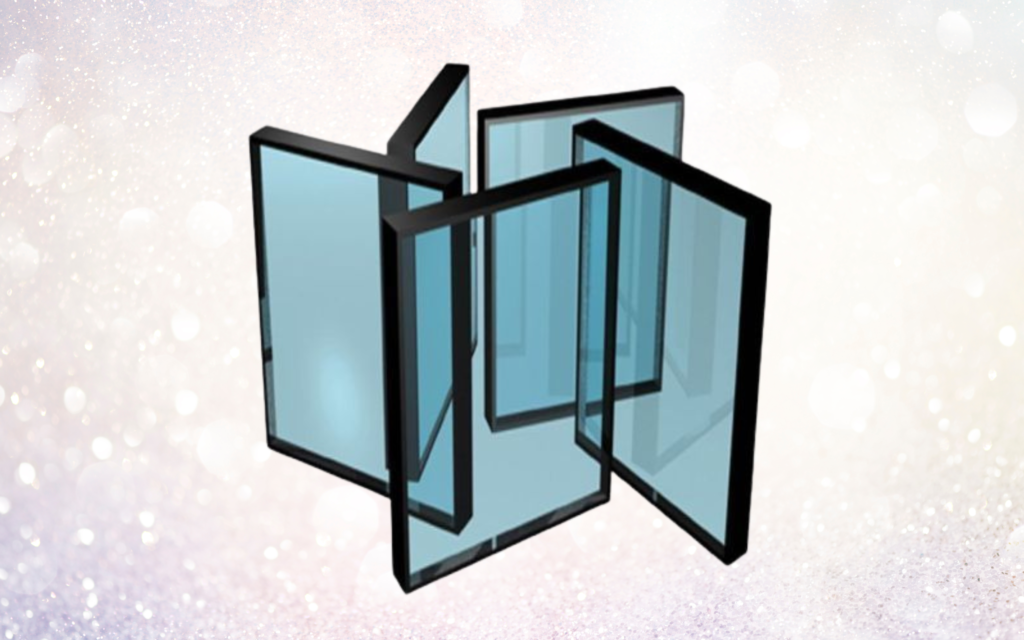
Double Glazed Units (DGU) trap a sealed air gap between two panes, which measurably improves thermal insulation and sound dampening over single glazing.
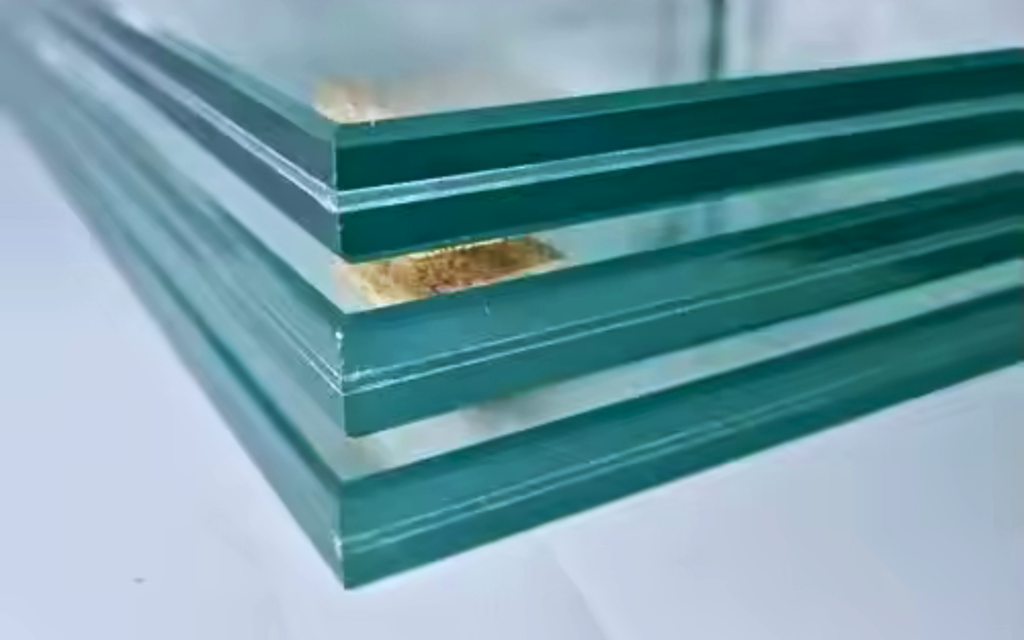
Laminated glass bonds two or more panes to a protective interlayer, so the pane holds together rather than shattering outward on impact — useful anywhere safety glazing is a concern.
DGU Blinds (Manual & Remote Operated)
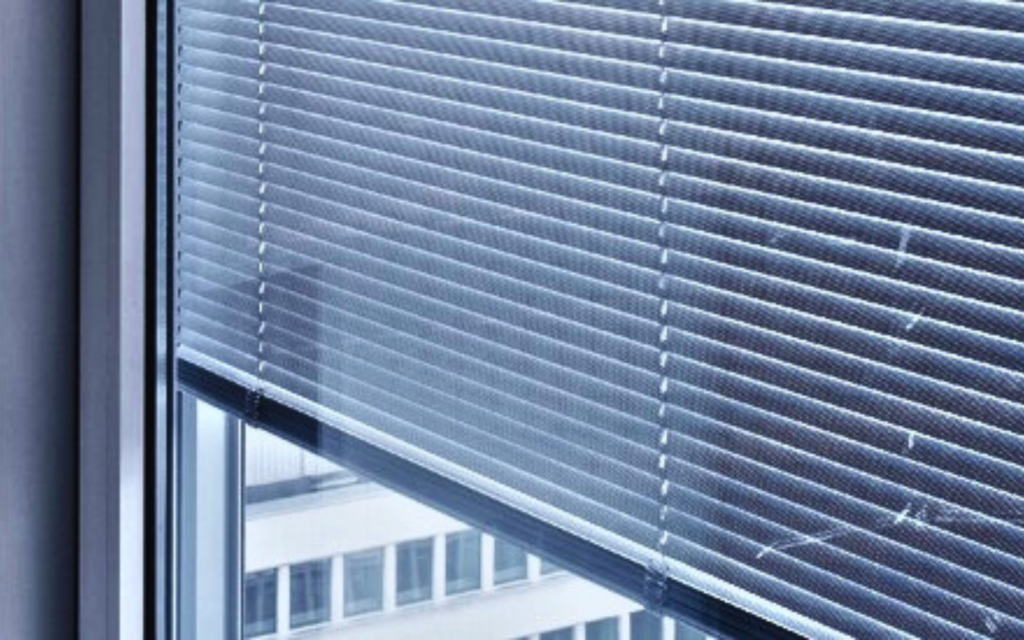
Venetian blinds fitted inside the sealed DGU cavity stay free of dust, since they never come into contact with the room air. Manual versions are adjusted with a magnetic wand on the inner glass face; remote-operated versions raise, lower and tilt the slats at the press of a button.
Switchable Glass
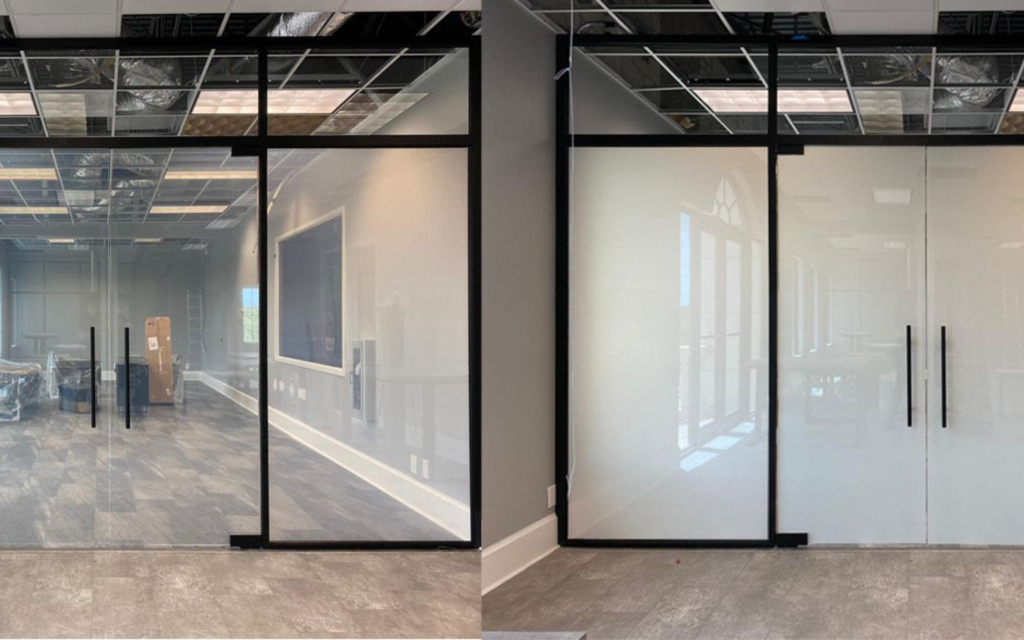
An electronically controlled interlayer switches the pane between clear and frosted at the flip of a switch, giving instant privacy without curtains or blinds — popular for home offices, meeting rooms and en-suite partitions.
Profile Color Variants
Plain Options

Milk White

Grey

Black
Wood Laminate Options
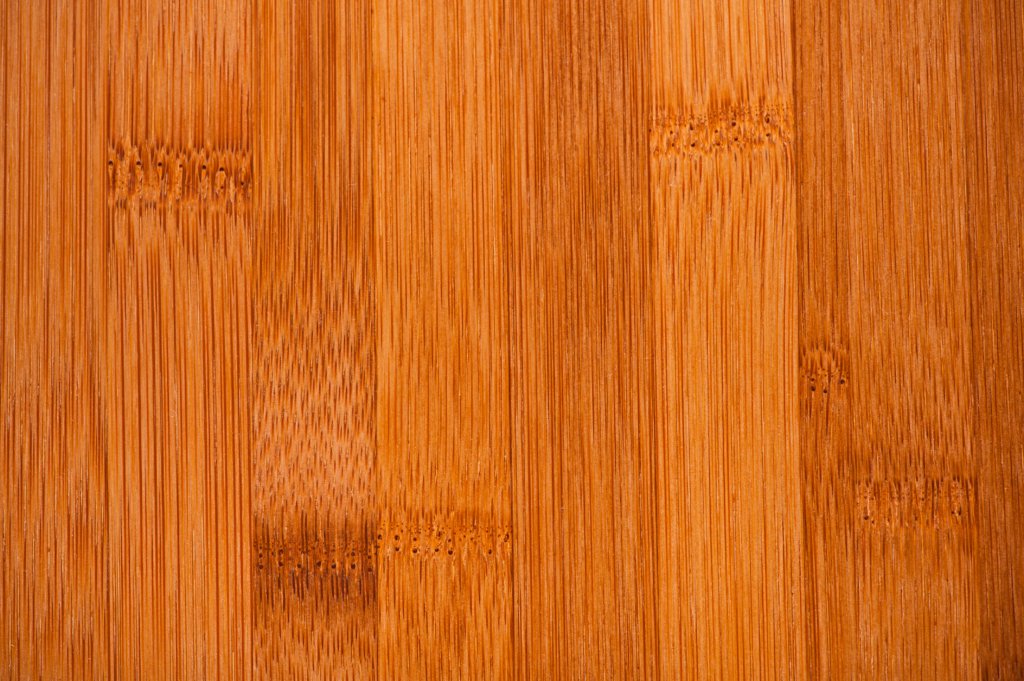
Golden Oak
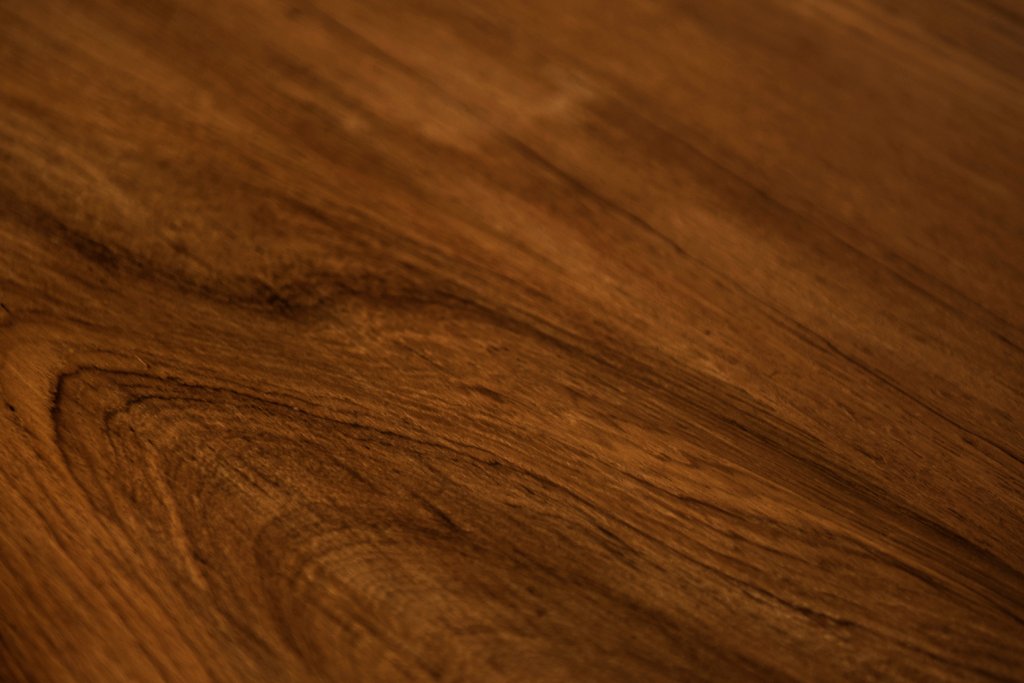
Walnut
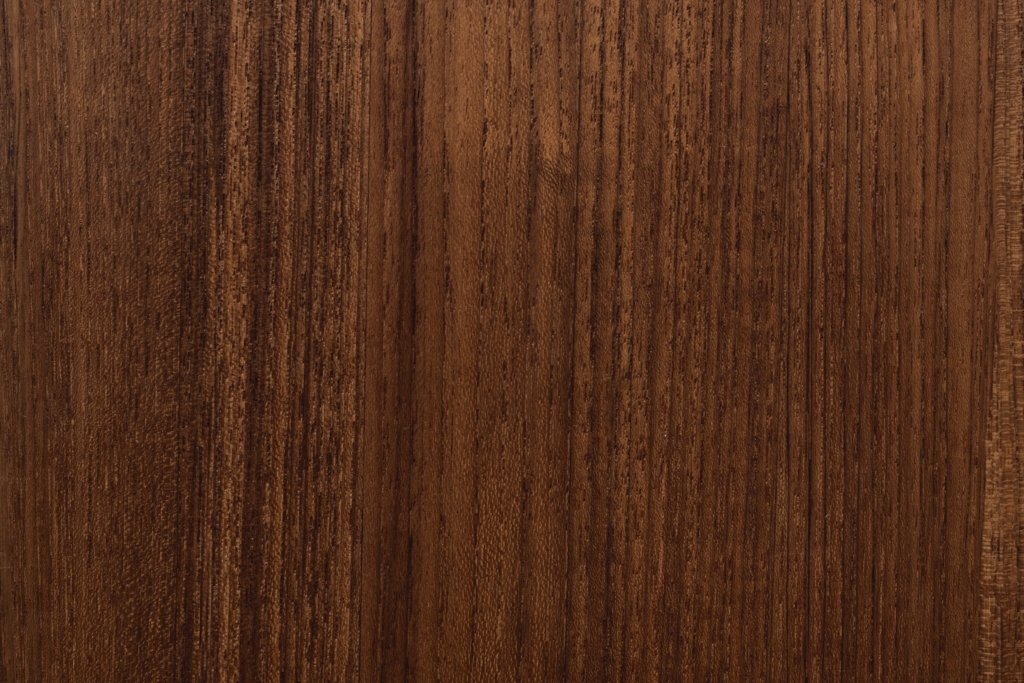
Dark Oak
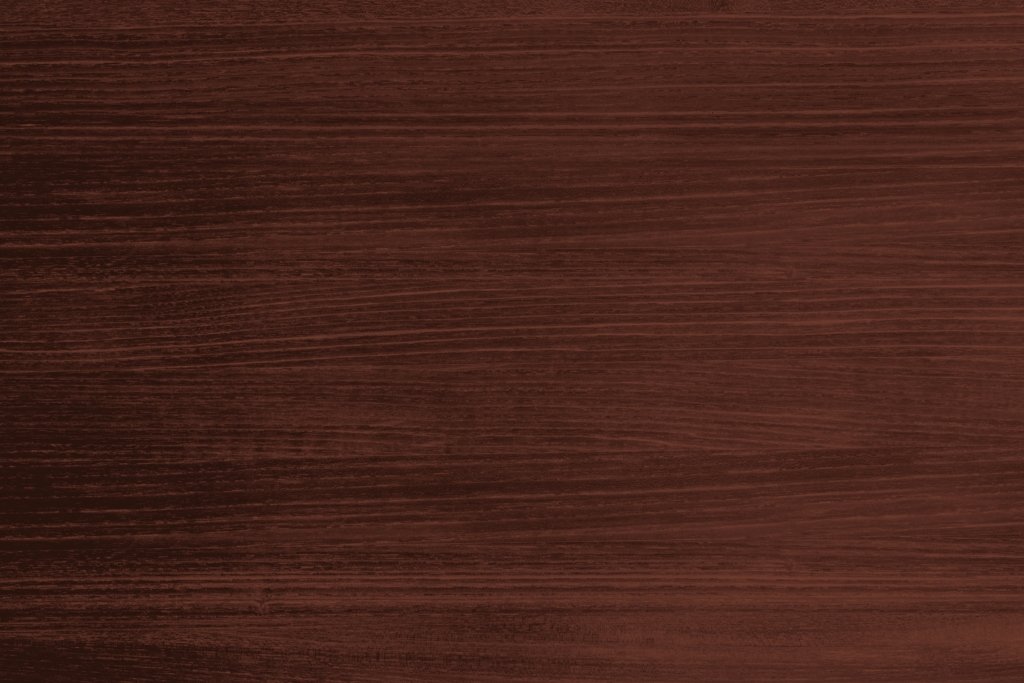
Mahogany
Upgrade Your Home with Modern uPVC Solutions
Get a free on-site consultation and a no-obligation quote for your windows, doors and glazing needs.